Wire · Echonomia Post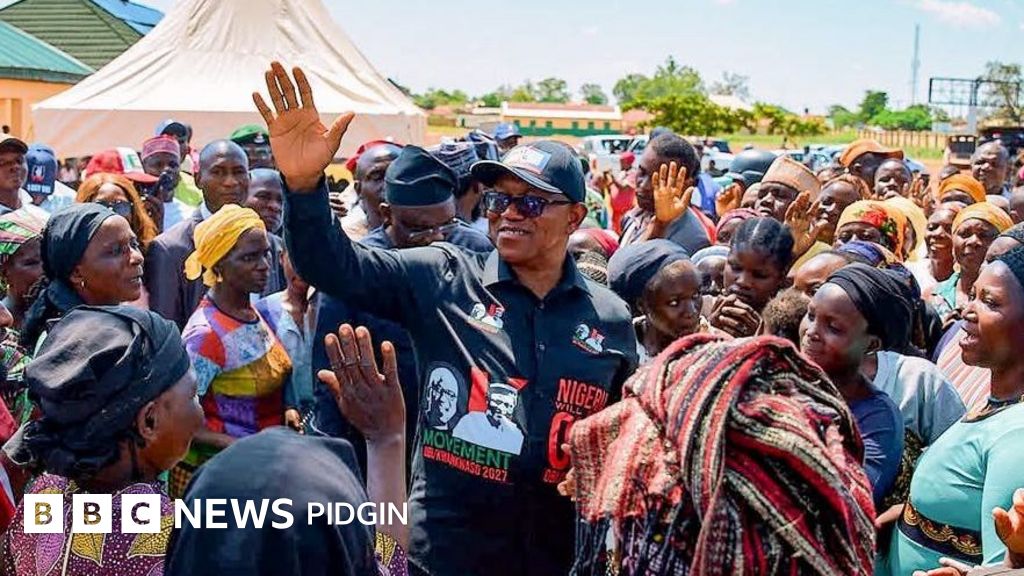
Peter Obi, the NDC presidential candidate for 2027, visited Benue State on Tuesday, arriving around 9:00 a.m. for a humanitarian mission to Yelwata Community, where over 270 people were killed. He was met with hostility, with community thugs stopping his convoy. Obi stated he traveled to comfort grieving families and listen to their stories, emphasizing it was not a partisan visit.
The Benue State Government accused Obi of breaching protocol by not informing Governor Hyacinth Alia officially about his visit. The Commissioner for Information and Culture, Solomon Lorpev, argued that Obi’s failure to inform the state government was a protocol violation, given his status as a former governor and presidential candidate.
A lawyer and human rights activist, Chetam Nwala, clarified that the Nigerian Constitution does not restrict Nigerian citizens' movement. Section 41 guarantees freedom of movement, with exceptions only for prisoners, curfews, or disease outbreaks. Obi had reportedly written to the Commissioner of Police but still needed to inform the governor officially, according to political analyst Olalekan Ige.
This situation mirrors past incidents where opposition politicians faced restrictions, such as former Rivers State Governor Chibuike Amaechi being barred from entering Government House in 2013 and former Kaduna State Governor Nasir El-Rufai being blocked from monitoring visits to Anambra State during elections. Executive orders in states like Kogi and Rivers have also imposed restrictions on opposition parties’ use of public facilities for campaigns.
Obi’s visit highlights tensions between political figures and state authorities over protocol and security arrangements during official visits.
Source: BBC